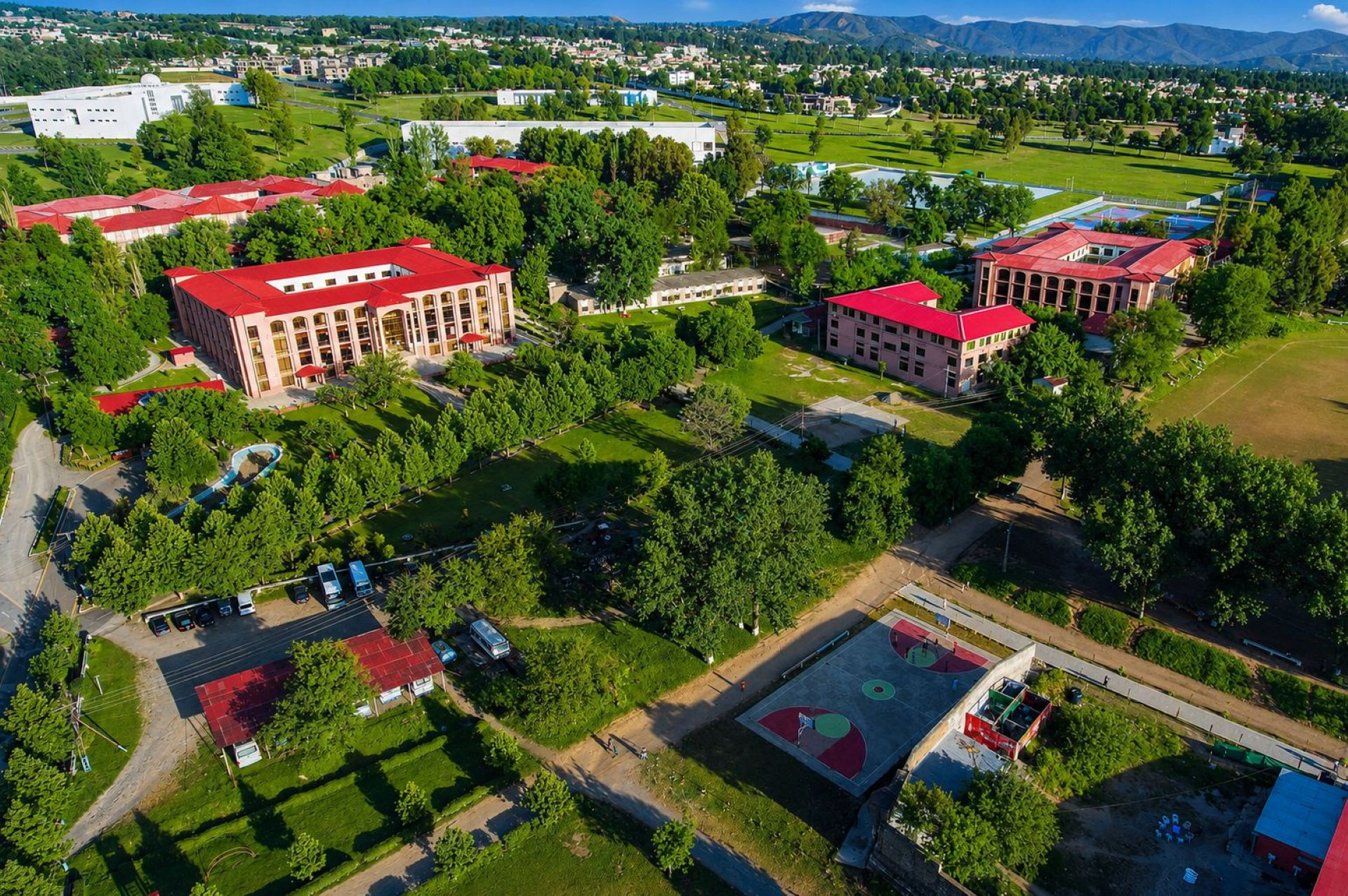
Climate Change and Disaster Management Group at Department of Development Studies, COMSATS University Islamabad, Abbottabad Campus
The research group aims to establish the hub for Climate Change and Disaster Management (CCCDM) at COMSATS University Islamabad, Abbottabad Campus, as a national hub for advanced research, capacity building, enhancing the ability of national institutions and local communities to anticipate, plan for, respond to, and to recover from natural and human-induced disasters. The center will conduct multidisciplinary research on the human, environmental, industry collaboration, and policy dimensions of climate change, translating scientific findings into evidence-based policy recommendations and climate-resilient guidelines for vulnerable populations and communities in Pakistan. The Center for Climate Change and Disaster Management will support these efforts by promoting disaster risk knowledge dissemination aligned with national climate policies and the Sendai Framework for Disaster Risk Reduction (2015–2030) and contributing directly to the achievement of the United Nations Sustainable Development Goals (SDGs 2030). It emphasizes both the processes and outcomes in the high mountains as well as in the low-lands. National policies and strategies and global interventions towards adaptation and mitigation of climate change are quite important aspect under investigation by this group.
The local institutions (formal and informal) and perceptions on climate change provide the base for development of this research group. Environmental dynamics of upper Indus basin, floods, landslides and drought in the mid and lower countries are key areas of research. The post disaster/crises livelihoods and rehabilitation are another thematic area of this research group.
Focus Areas
- Climate Change and Adaptation
- Post Disaster Relief and Rehabilitation
- Disaster Risk Reduction and Management
- Early Warning System and Anticipatory Actions
The objectives for the project will be
- To foster interdisciplinary research across sectors like Climate, agriculture, water resources, and rural/urban planning to create applied solutions for climate-vulnerable communities.
- To utilize advanced technology for hazard mapping and early warning systems based on intelligent predictions, providing automated response and creating social resilience to assist local and national government decision-making.
- To serve as a community resilience hub for public awareness, training, and simulation drills, ensuring that scientific knowledge is translated into actionable local practices.
- To build human capital by offering specialized certifications, training to MS/PhD scholars, researchers, practitioners, government officials, and NGOs to enhance their technical and management skills.
- Act as a national coordination and innovation hub connecting universities, disaster and climate management authorities to bridge the gap between related technologies and governance by preparing policy notes and risk assessments align with national policy.
Group Members from the Department of Development Studies
- Dr. Bahadar Nawab
- Professor Dr. Arif Alam
- Associate Professor Dr. Noor Elahi
- Associate Professor Dr. Abda Khalid
- Assistant Professor Dr. Siddique Baig
- Associate Professor Dr. Adeel Jalal Malik
- Assistant Professor Ms. Zeb-Un-Nisa
- Lecturer Dr. Hamayun Khan
- Lecturer Dr. Ikram Shah, Assistant Professor